No one at school taught us taxes.
We took it into our own hands.
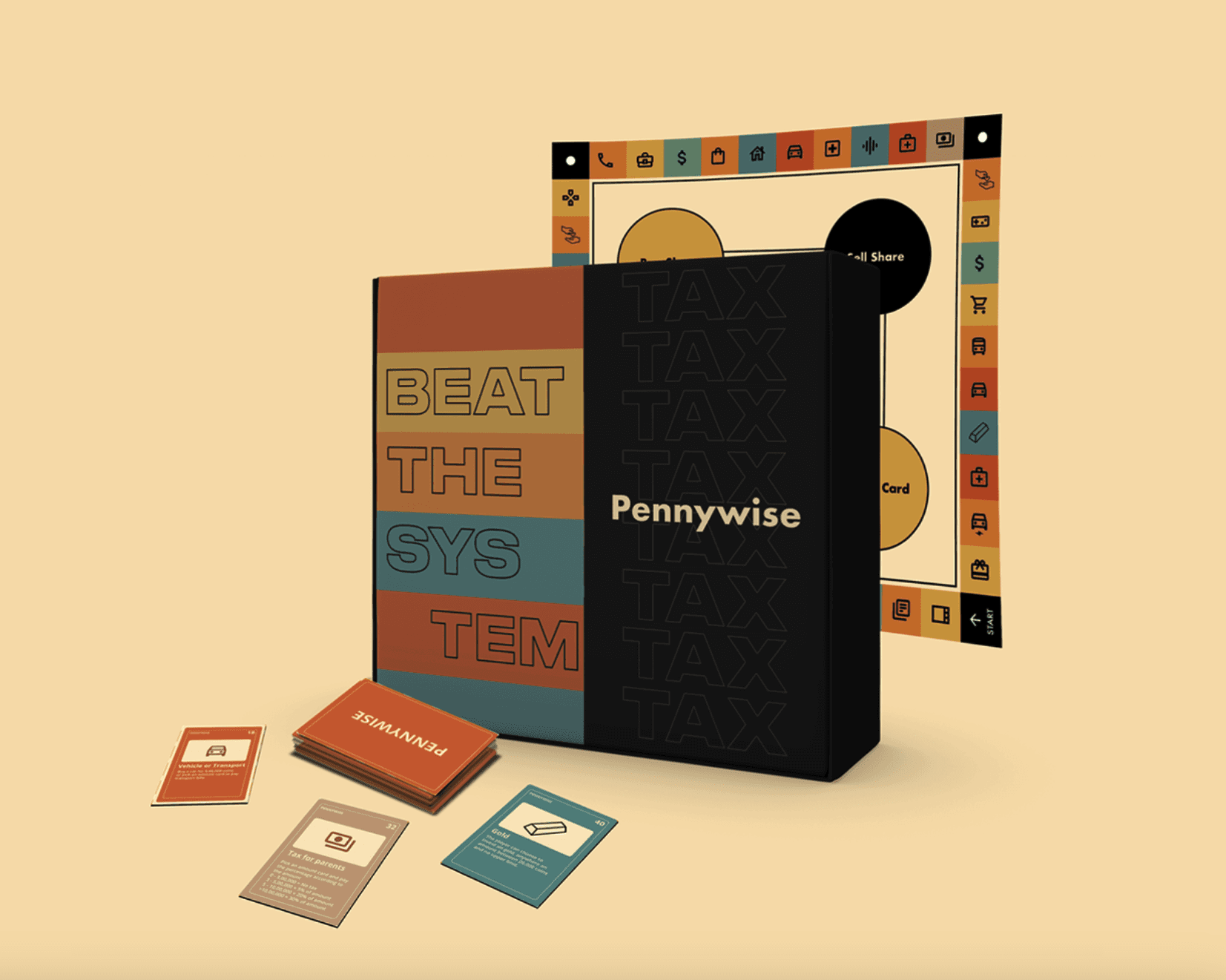
Pennywise
A board game that gives you a peek into the world of taxes, finance management. The harsh reality of life presented to you in a fun game form.
Product Design
Interface Design
Game Design
Studio
Design Research
Timeline
Sep 2022 - Feb 2023
Role
Game Designer,
Interface Design
Other Collaborators
Navya S (Package Design, Product Design)
What is Pennywise?
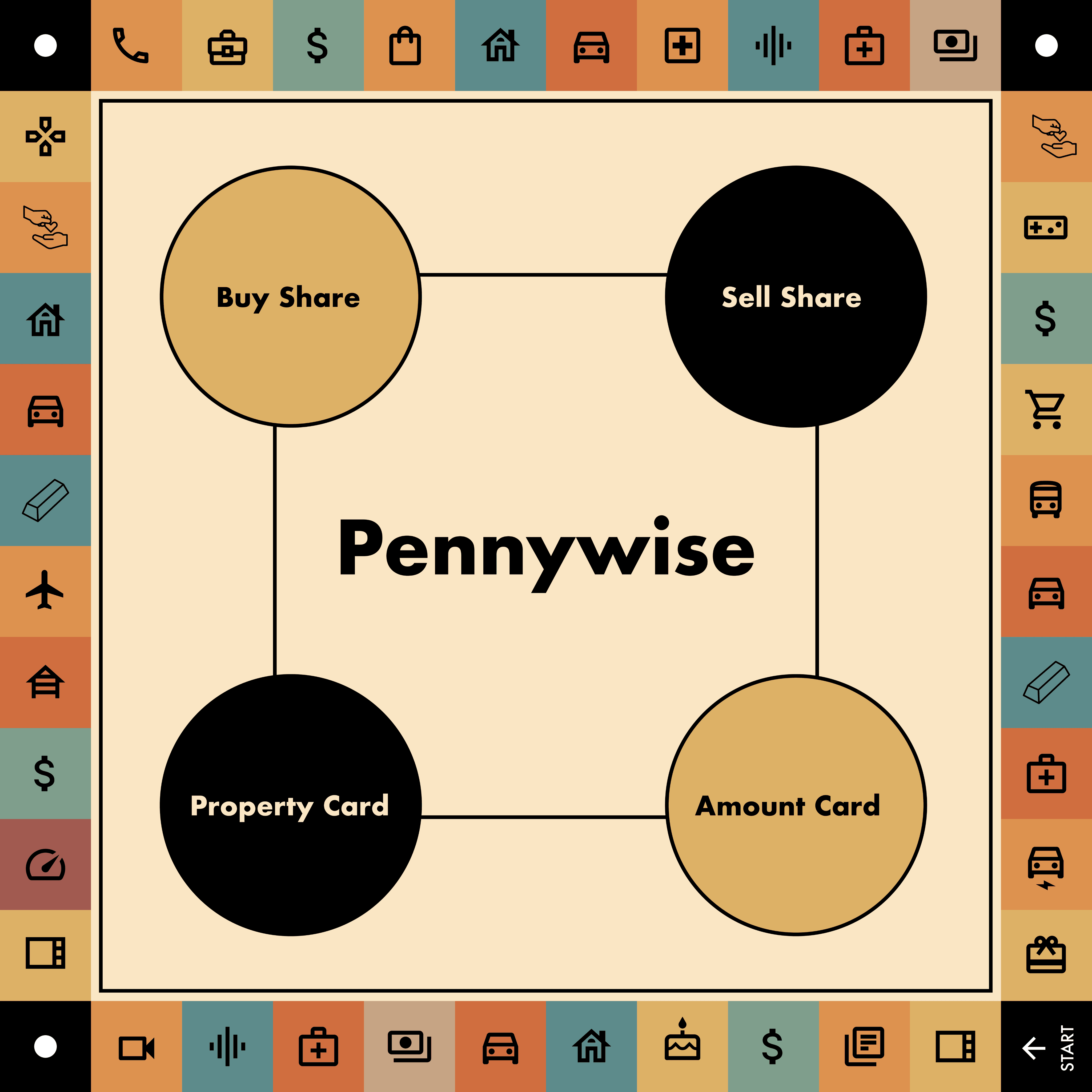
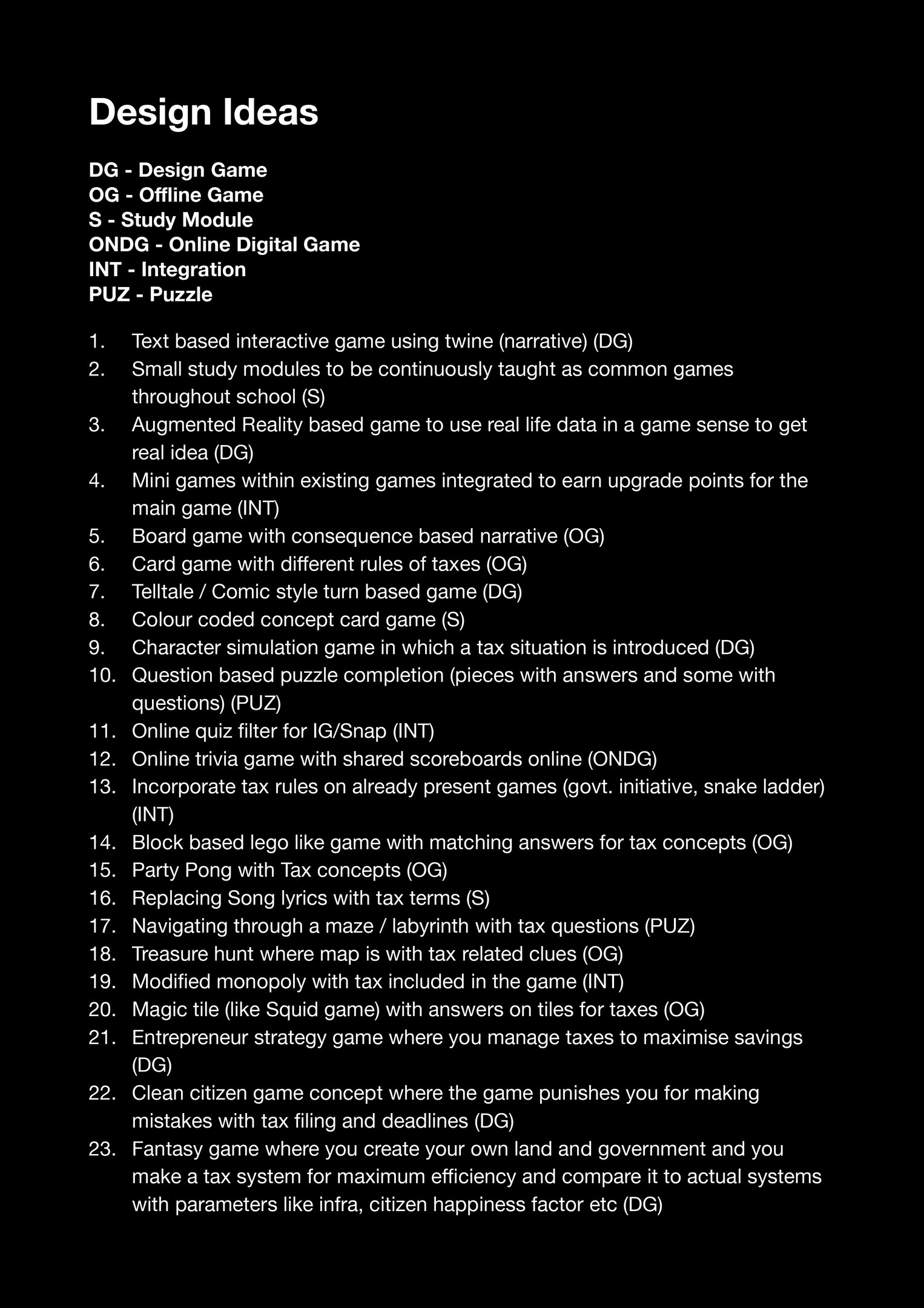
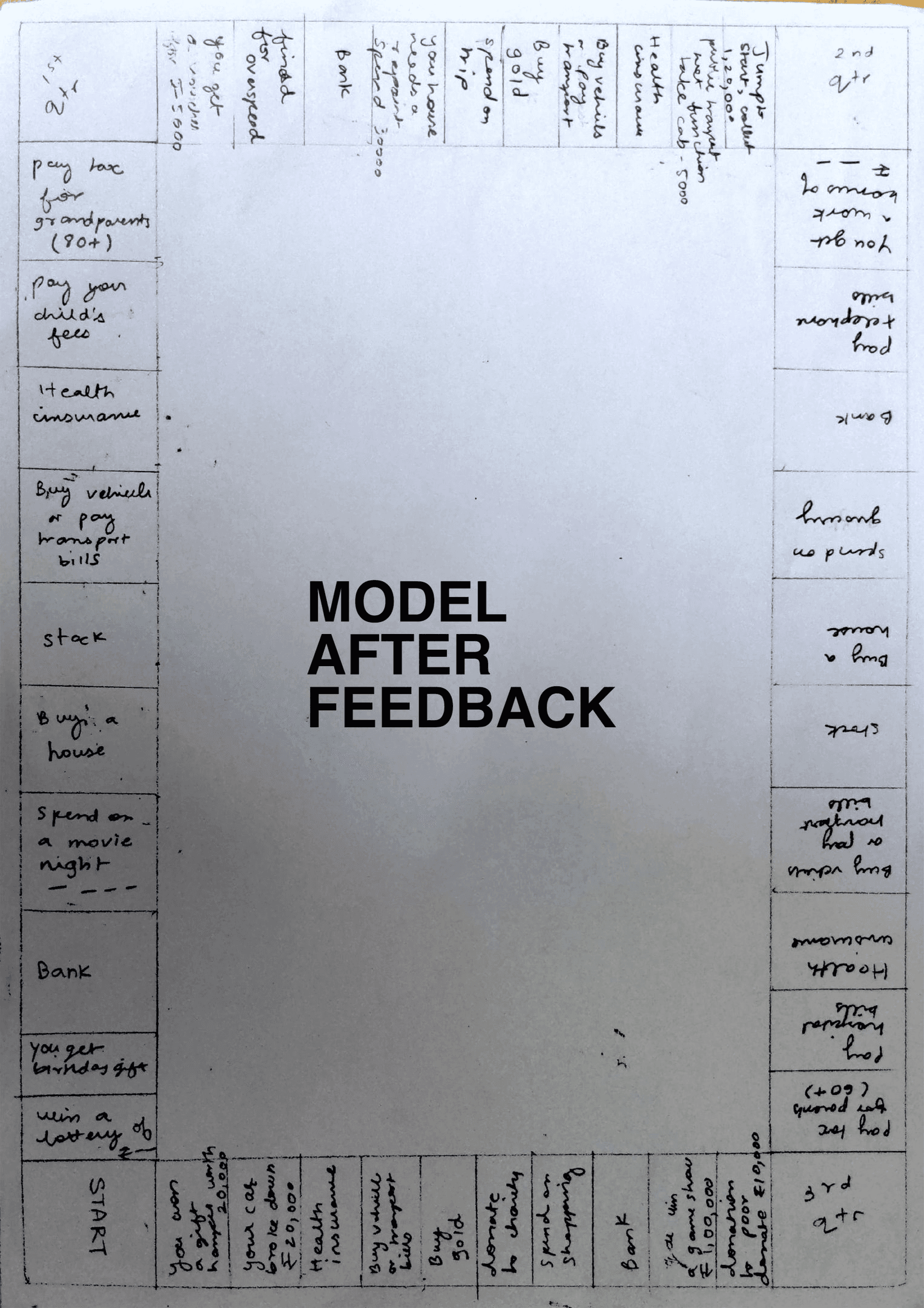
Pennywise is a strategic board game that blends the familiar mechanics of Monopoly with the complexities of the real-life Indian financial and tax systems. Players navigate a board filled with various financial challenges and opportunities—ranging from property investments and income generation to tax liabilities, audits, and deductions.
As they progress, players must make calculated decisions on managing money, planning for tax payments, and optimizing investments, mirroring the day-to-day financial management and tax planning in India. The game not only entertains but also educates, offering insights into fiscal responsibility and the nuances of the Indian tax system in an engaging, interactive format.
Now that might be a lot to take in for the first timer. Let me take you through the journey so that you know what Pennywise really is.
I was connecting thoughts.
Picture this: I was busy building this sprawling mental web of ideas—like a mad scientist assembling a train of thoughts—when I stumbled upon a brilliant (look away funskool) idea: combine games and learning. It hit me like a poorly
calculated tax deduction: the Indian education system never taught us about
real-life stuff like taxes.
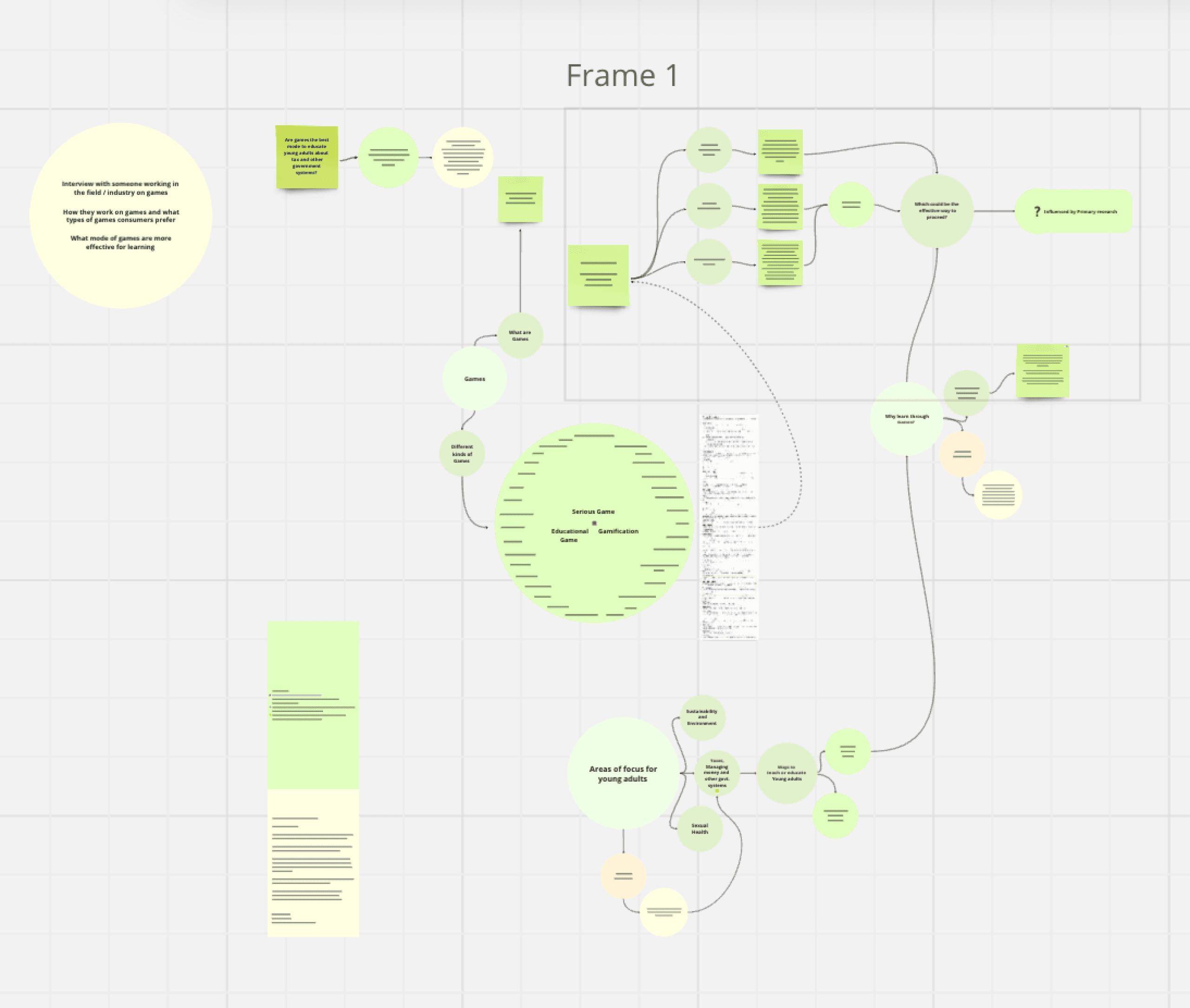
So there I was, armed with curiosity and a healthy dose of skepticism, diving headfirst into the labyrinth of tax codes. I began chatting with experts—imagine trying to decode Vedas with a modern twist—and researching like I was on a
quest for a hidden treasure.
Slowly, the opaque world of taxes started to make sense, revealing its quirky complexities that leave first-timers scratching their heads. In the end, this curious journey not only fuelled my passion for game design but also highlighted the missing lessons we never got in school.

So it’s a game?
After chatting with school kids and even fresh-faced college grads, it became hilariously obvious: what they learned from books was just the tip of the iceberg. The real-life lessons? They were scavenged from the battleground of practice—often at 2 a.m. during a heated gaming session. Video games, my lifelong partners in crime, weren't just escapism; they were my crash course in strategy, risk, and, yes, even diplomacy. If you could outwit pixelated villains or broker deals in a digital marketplace, you could probably survive a real-world tax audit with a grin.
One bright-eyed student once confessed, between rounds of digital conquest, that textbooks taught him the basics, but it was the unscripted chaos of gaming that prepared him for life's unpredictable curveballs. A recent college grad joked that his degree came with a minor in “Game Over” scenarios, which, ironically, taught him more about handling pressure than any lecture ever did.
This quirky realisation lit a fire under me. Why not merge the thrill of gaming with the nitty-gritty of real-life skills—starting with the infamous Indian tax system? Thus, the idea for Pennywise was born: an interactive story based video game that could engage everyone from a middle school student to a college graduate. A playful nudge toward mastering the complexities that our education system conveniently left out. With a wink and a nod, I set out to create something that wasn’t just a game, but a bridge between theory and practice—a reminder that sometimes, the best classroom is the one where you risk it all and learn from every move.
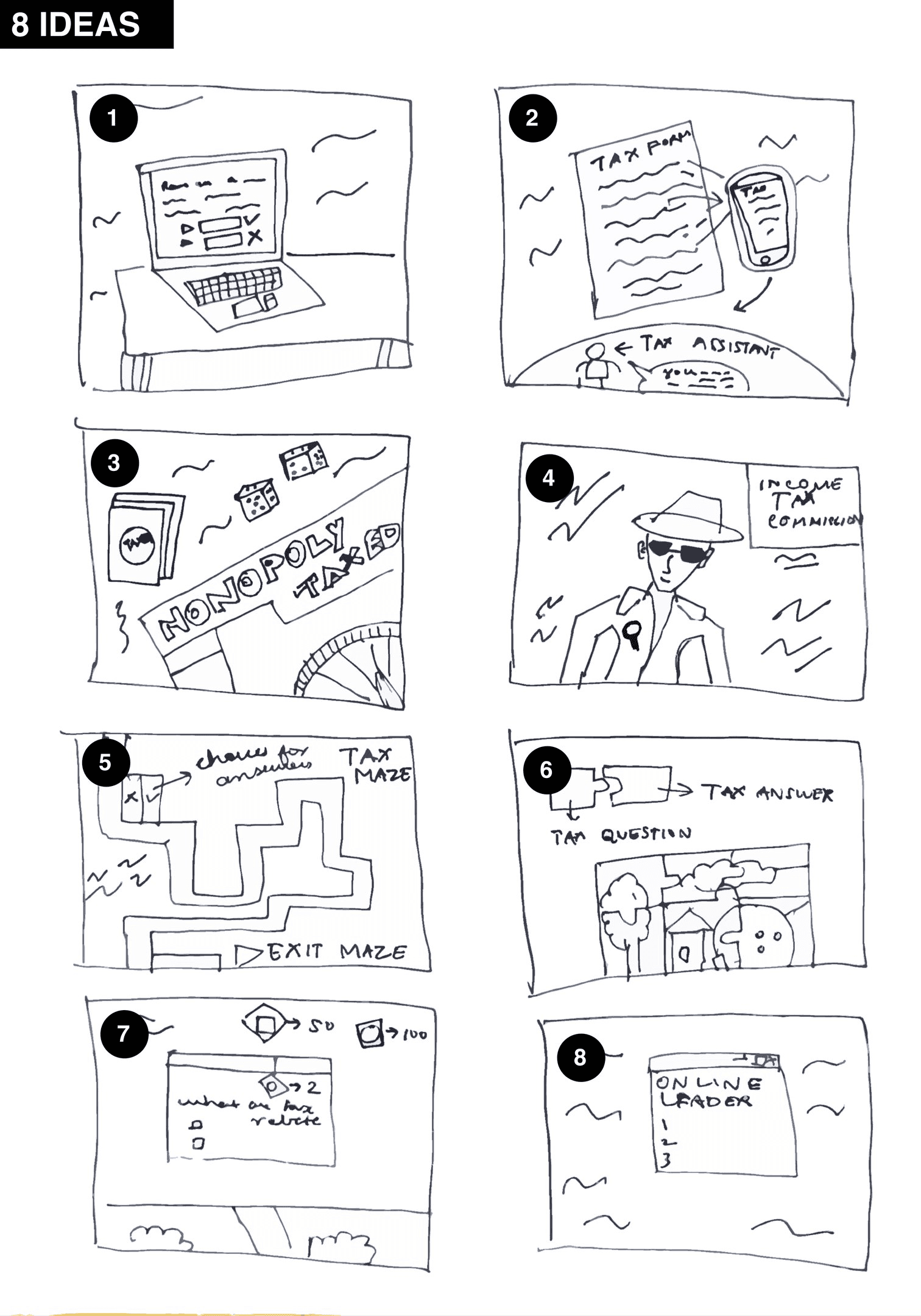
Wait. What kind of game?
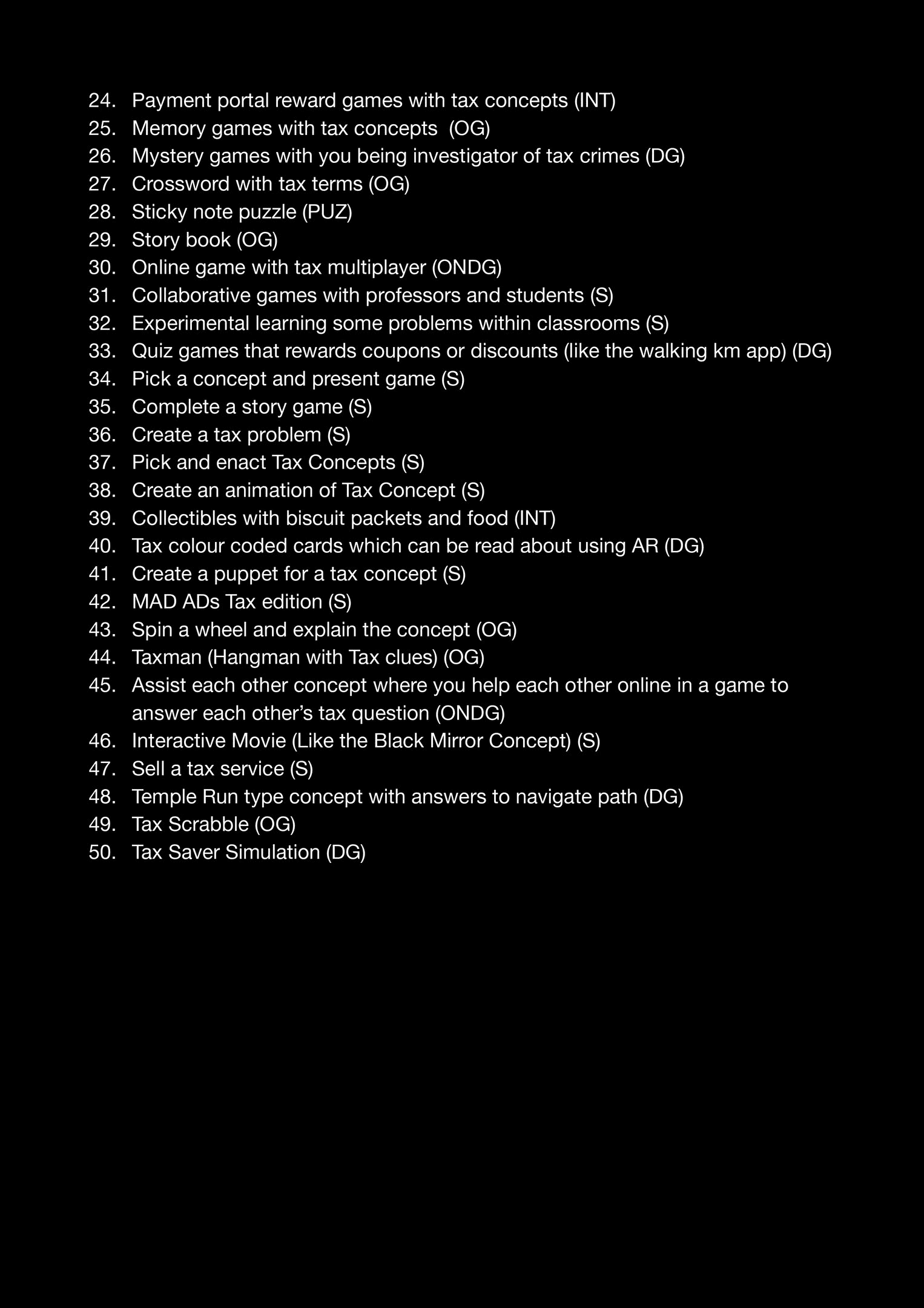
Yes, it's true. Pennywise started out as a video game. So how did it become the board game it is today? One day, during a casual yet mind-bending conversation with my faculty mentor, Debjani, she hit me with a curveball: "Another digital game? Why not try something different?" That single question made me pause, look around, and reassess my approach. I mean, think about it—gaming arcades are making a comeback, bell bottoms are in style, and ripped jeans are the new normal. So why shouldn't board games have their moment in the spotlight? After all, board games have always had a dedicated cult following (I’m looking at you, Dungeons & Dragons).
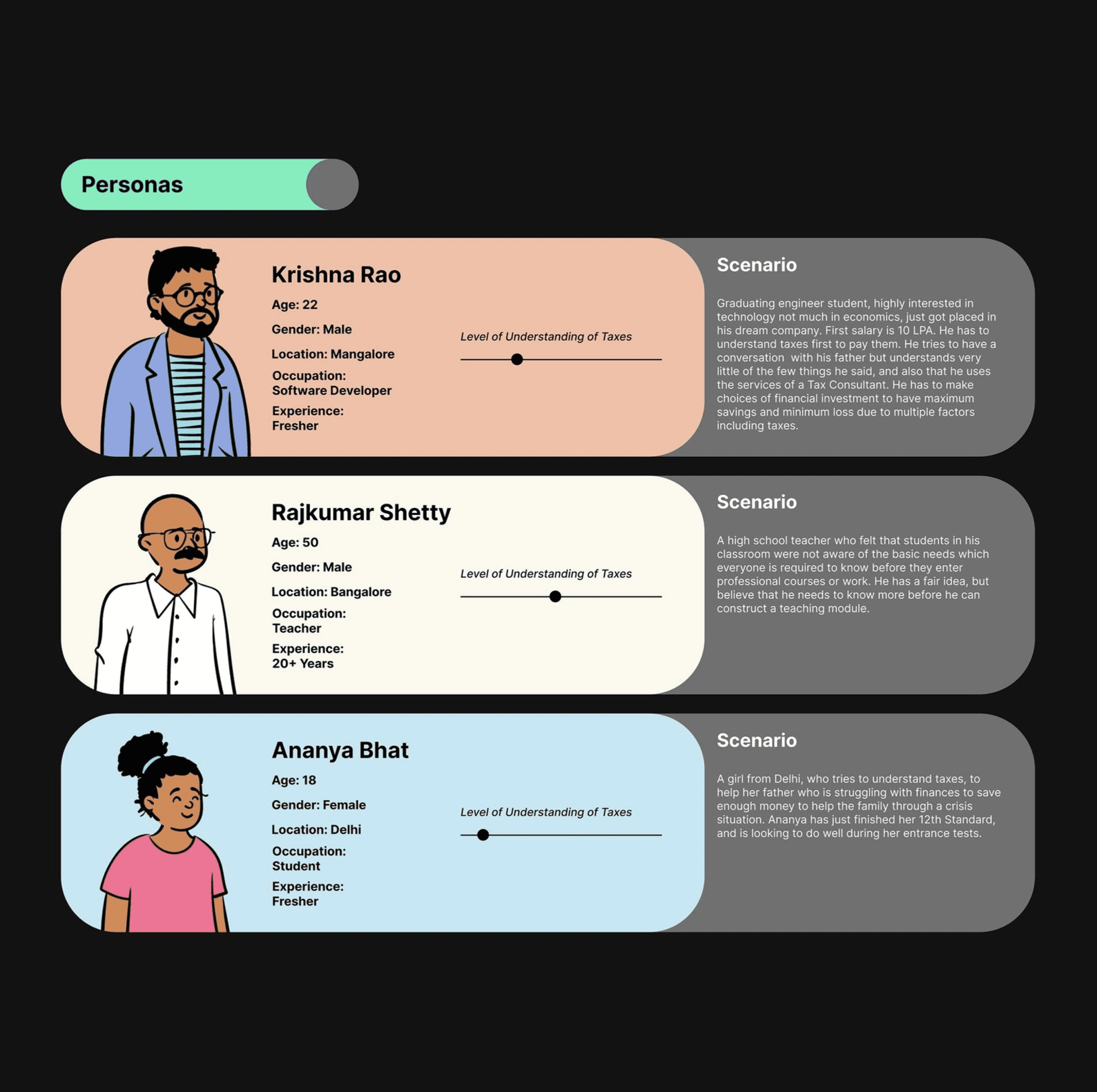
Enter Navya! At the time, she was busy working on her own finance management game. We started tossing ideas back and forth—like two mad scientists in a brainstorming lab—and slowly, a fresh concept began to take shape. But our game wasn’t really hitting the mark until we met Krishna, our resident game mechanics guru. Krishna came along with an uncanny knack for turning complex rules into fun, engaging challenges. With his input, our scattered ideas finally meshed into something tangible and exciting.
Before we knew it, the fusion of finance, taxes, and board game mechanics had taken on a life of its own. It wasn’t just about crunching numbers—it was about turning the intimidating world of taxes into a playful, strategic, and even ironic adventure. In that moment, we weren't just creating a game; we were redefining how people interact with something as dry as the Indian tax system.
"This is amazing stuff. A gamified approach to a real world problem. Why isn’t it on the market yet?"

Thrupthi Dev
Developer, NTT Data