Speculative Design is not about predicting.
It is about preparation and anticipating a change.
Speculative Fiction
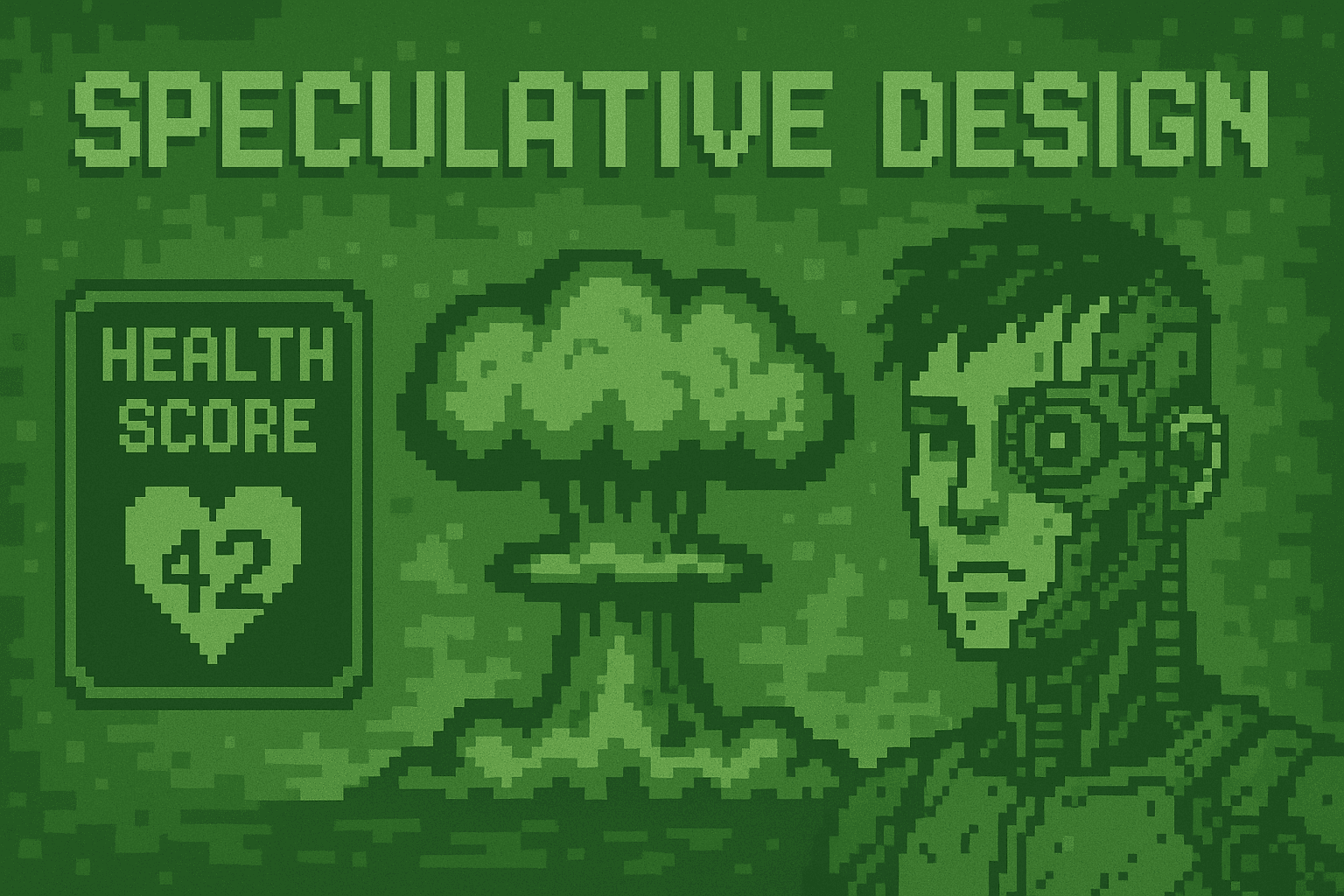
A world where health is your passport, and the ultimate form of identity.
Speculative Design
Design Fiction
Game Design
Studio
Speculative Design
Timeline
Jan 2024 - May 2024
Role
Speculative Designer, Game Designer, Level Designer
Other Collaborators
Samanvay Sahani (Character Design)
How did we end up here?
Think of the pandemic as a world event in a massive multiplayer game. Everyone logged in, but no one knew the rules. We stumbled through quests called “lockdowns,” armed with masks as shields and vaccines as power-ups. Some of us carried scars forward — both visible and invisible — like badges earned in survival mode.
But when the boss fight ended, the terrain didn’t reset. We respawned into a changed world. Normalcy, once the safe hub we all thought we’d return to, revealed itself as just nostalgia — a checkpoint that no longer exists on the map.
Now, every attempt to retrace old routes feels uncanny. Streets look the same, routines return, yet there’s a glitch in the atmosphere. What we call “normal” is a ghost level — familiar, but altered by memory, irony, and loss.
This project begins from that eerie feeling: what if health, scars, and immunity became more than personal data? What if they turned into our primary identity, the currency of belonging in this re-mapped world?
Drawing parallels.
In our speculative design exploration, we reimagined passports as documents not only of identity and nationality but also of public health. Instead of the traditional ink-stamped booklet, these passports would have featured sections dedicated to health status: vaccination records, quarantine badges, and even “immunity seals” reminiscent of the health certificates issued during historical plague outbreaks.
Just as the bubonic plague forced governments in wartime Europe to impose stringent travel restrictions, the presence of a contagious virus during partition would have demanded that every citizen carry a document attesting to their biological resilience.
The design would have been a visual tapestry of national pride intertwined with health mandates, with quarantine symbols and red health codes marking those deemed fit to traverse the newly drawn borders.
Our speculative scenario draws a playful parallel between COVID-19 and the historical plagues that reshaped global mobility during world conflicts. Back then, travel documents were often more about controlling the spread of disease than about facilitating free movement. If COVID-19 had struck during the partition era, passports might have emerged as hybrid instruments—tools of diplomacy and public safety alike.
They would serve as ironic relics of a moment when the creation of two nations was shadowed by an invisible enemy, blending the drama of national division with the urgency of a health crisis. In this alternate history, each passport would be a chronicle of survival and statehood, marking not only where one belonged but also proving that one had passed the ultimate test of immunity in a time when borders were as much about viruses as they were about territory.

The Speculative Passport
Imagine a future where the humble passport evolves into a dynamic digital document that seamlessly blends traditional identity verification with real-time health data. In this vision, passports are not just proof of citizenship or travel rights—they're smart, secure health passports. Embedded with biometric sensors and linked to global health databases, these passports would display up-to-date vaccination records, recent test results, and even traveler's health risk assessments.
As people cross borders, border control systems would quickly verify not only their identity but also their current health status, ensuring safe and informed travel decisions. The document becomes a living record, updated automatically via secure health networks, thus bridging the gap between individual well-being and global mobility.
In this reimagined system, health plays a pivotal role in enabling movement between regions. Drawing parallels from our recent experiences with COVID-19, these evolved passports could include features like digital immunity seals or quarantine codes, which would signal a traveler's capacity to journey safely.
This integrated approach would empower governments and travel authorities to manage public health risks proactively, while still upholding the essential freedom to travel. Essentially, the passport transforms from a static travel credential into a comprehensive tool for safeguarding public health—a symbolic and functional merger of identity and well-being in an increasingly interconnected world.
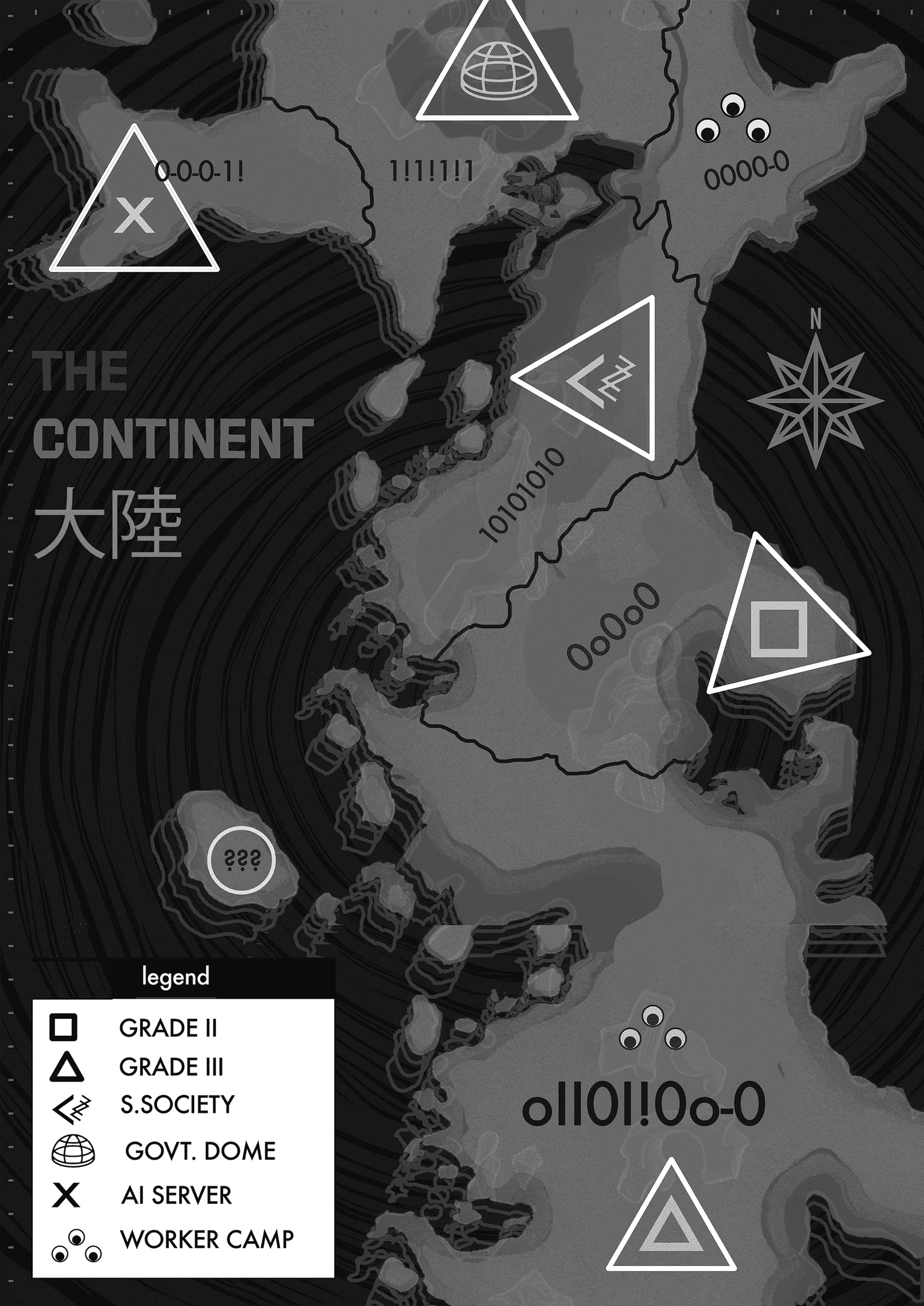
What did we come up with?
In this project, I imagined three futures where health, identity, and power collide in radically different ways:
1. The Health Score Regime
Health becomes currency. Mandatory checkups produce a “health score” that dictates education, jobs, travel—even relationships.
An algorithm decides who thrives and who is excluded. Worth is no longer about skill or wealth, but cholesterol levels and immune response.
2. The Post-Nuclear Hierarchy
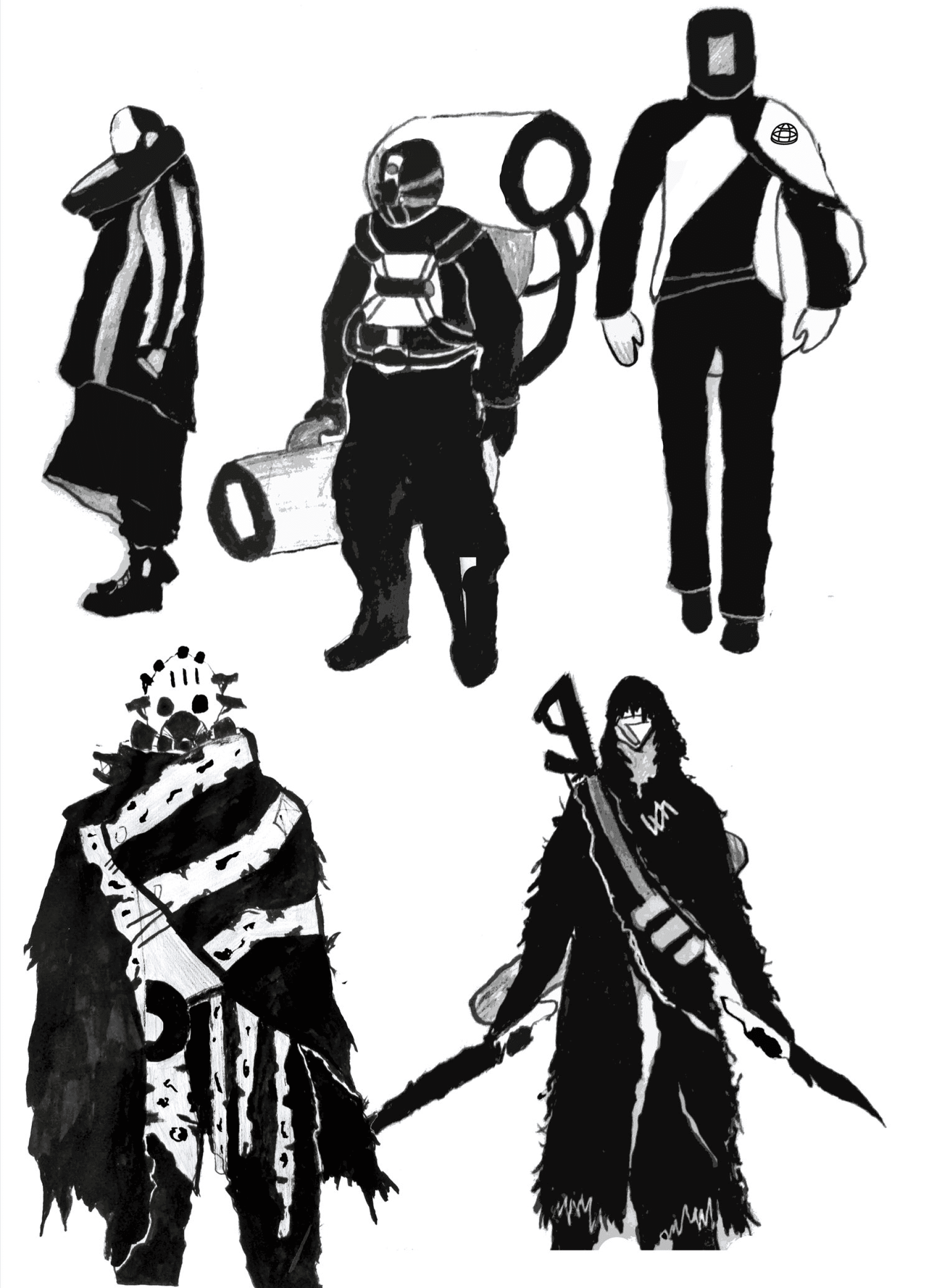
Society is stratified by radiation exposure. Those near ground zero are branded “contaminated,” denied access to safe zones, and forced into labor settlements.
The privileged elite—sheltered and untouched—rule through genetic purity and radiation certificates.
3. The Cyberpunk Health Divide
Medicine is obsolete; cybernetics define survival. The rich enjoy nanotech immune systems and self-repairing limbs, approaching immortality.
The poor rely on black-market implants and faulty chips, living precariously in a world where bodies are software—buggy or upgraded.
You’ve seen the map — now step into the levels themselves. Press play to enter the cutscenes, where each speculative world unfolds with its own rules, challenges, and hidden lore.
"The best thing since sliced bread."
Paul Anthony
Faculty, Srishti Manipal